
FEATURED PROGRAMS
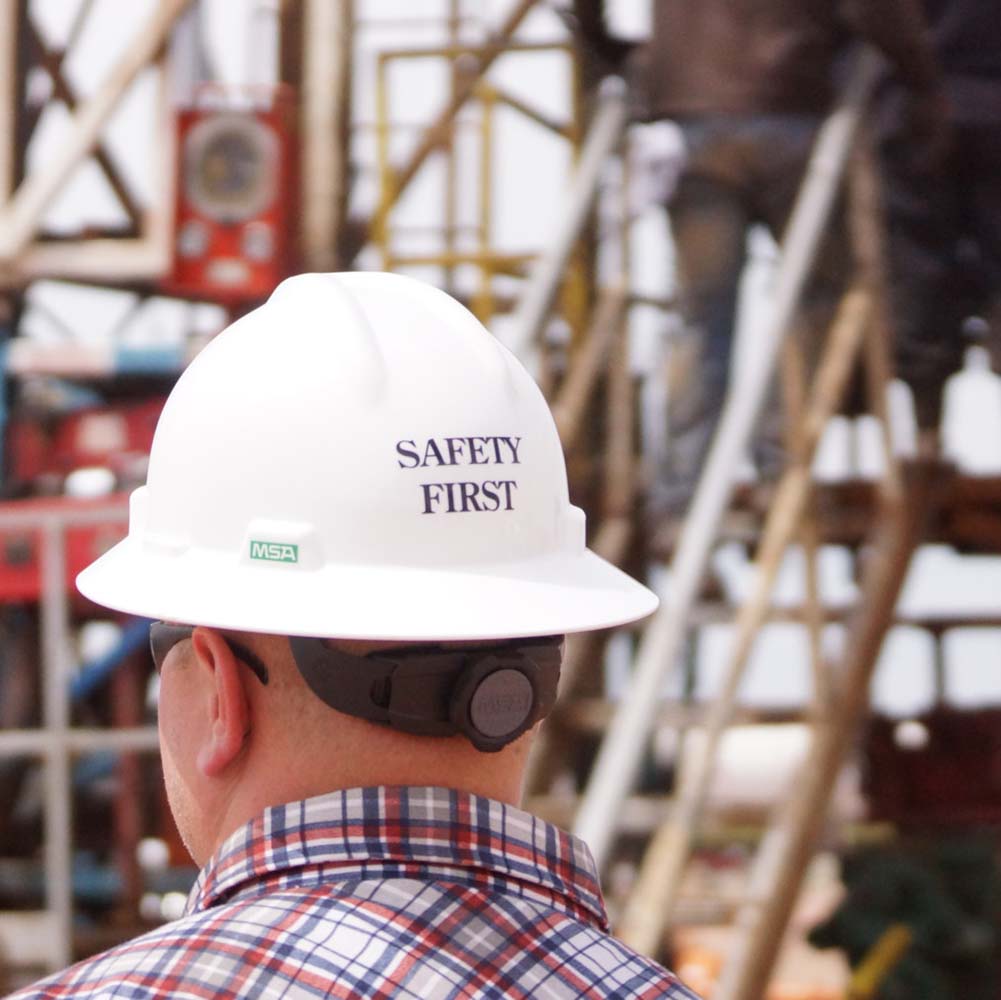
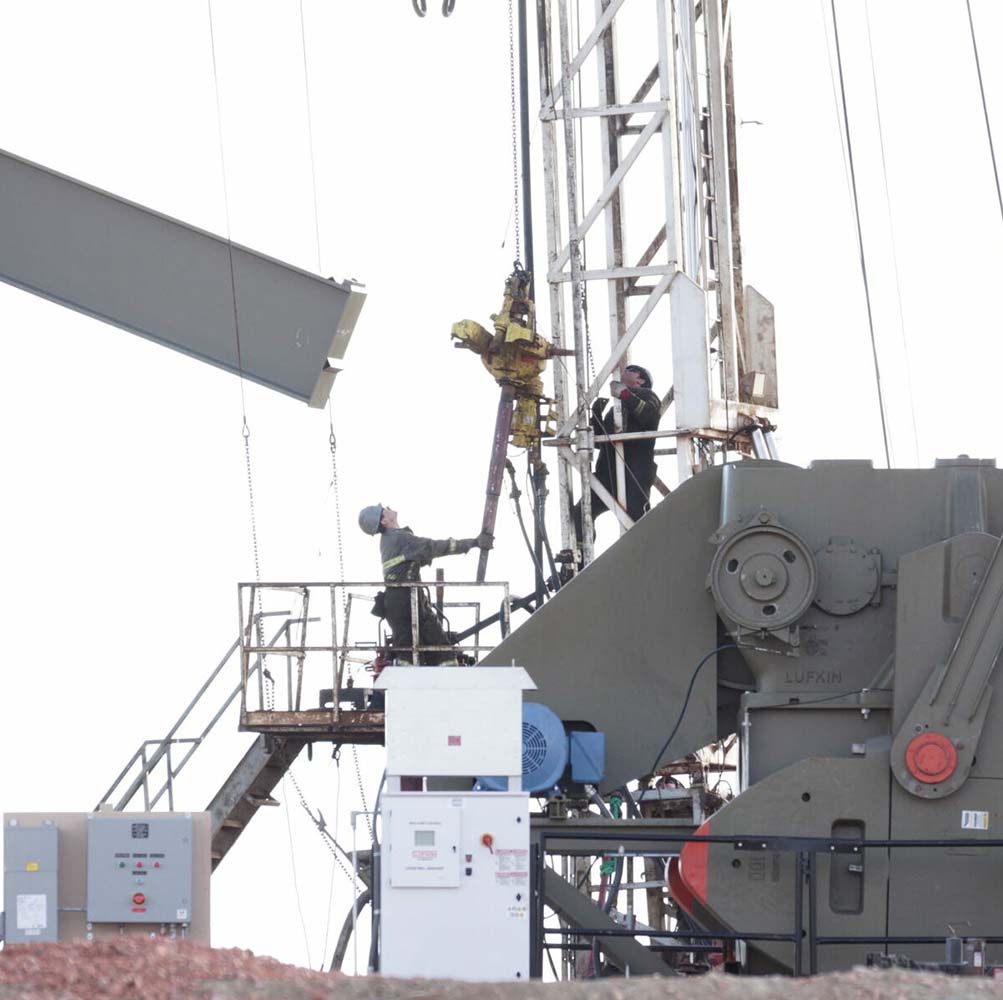
ONE BASIN - ONE WAY!
Enhance your safety awareness and save time and resources with our standardized orientation program.
JOIN AN NDPC COMMITTEE
Get involved in our committees to help shape policy, programs, events and more.
PETROLEUM FOUNDATION
Support the industry's education, conservation and outreach programs today.
WHAT WE DO
We serve the industry and our members through advocacy, learning, and fostering business and networking opportunities.
Our latest news & events
Join the NDPC
The North Dakota Petroleum Council (NDPC) is the primary voice of the oil and gas industry in North Dakota, representing more than 550 member companies involved in all aspects of the oil and gas industry. We are committed to ensuring North Dakota maintains a friendly business climate that allows for industry opportunity and growth.
North Dakota Petroleum Council members are given the opportunity to help shape the policies and solutions that will drive our industry forward. We remain the most trusted name on oil and gas issues in the state and give you ample opportunity to network with both industry and government leaders in North Dakota.
BENEFITS INCLUDE:
Member rates for NDPC events*
Discounts on training programs
Subscription to NDPC Daily News Clips, Monthly E-News, and other industry updates
Representation on legislative and regulatory issues
Access to NDPC Ad Hoc Committee Meetings
Basic listing in the NDPC Buyer's Guide
Recognition opportunities through the NDPC Achievement Awards
MEMBER COMPANIES
TOP ND PRODUCERS ARE MEMBERS
%
OF ND PRODUCTION BY NDPC MEMBERS
2026 Premier Partners
Our events and efforts aren't possible without the support of our members. Thanks to all our Premier Partners for their sponsorship! Learn more about becoming a Premier Partner here.